
The Role of EPS in Cold Chain Packaging: Ensuring the Safe Transit of Pharmaceuticals

The pharmaceutical industry depends heavily on reliable cold chain systems to maintain product efficacy and patient safety. Many medicines, vaccines, and biological products are highly sensitive to temperature fluctuations. Even minor deviations during transport can compromise quality, reduce shelf life, or render products unusable. As pharmaceutical supply chains expand across geographies, cold chain packaging of pharmaceuticals has become reliant on temperature-controlled pharmaceutical packaging.
Among the materials used to support pharmaceutical cold chain packaging, Expanded polypropylene plays a vital role. Its thermal insulation properties and adaptability have made it a widely adopted solution for maintaining controlled conditions during transit.
Table of Contents
- 01. Importance of cold chain packaging in pharmaceuticals
- 02. The role of EPS in cold chain packaging
- 03. Key advantages of EPS in cold chain pharmaceutical packaging
- 04. How EPS ensures safe transit of pharmaceuticals
- 05. Integration of temperature monitoring technologies in EPS vaccine boxes
- 06. Examples of EPS use in temperature-sensitive pharmaceutical packaging
- 07. Looking ahead
Importance of cold chain packaging in pharmaceuticals
Cold chain logistics packaging ensures that temperature-sensitive pharmaceutical products remain within specified temperature ranges from manufacturing facilities to end users. This is especially important for vaccines, biologics, and injectable medicines that require strict thermal control.
Pharmaceutical transport packaging must address multiple challenges. These include long transit times, exposure to varying climatic conditions, and repeated handling across logistics networks. Insulated packaging for pharmaceuticals helps reduce the risk of temperature excursions that could lead to product loss or regulatory non-compliance.
As global healthcare systems place greater emphasis on quality assurance and traceability, effective cold chain solutions are becoming increasingly essential.

The role of Expanded Polystyrene (EPS) in cold chain packaging
EPS cold chain packaging is widely used because of its ability to provide consistent thermal insulation while remaining lightweight and easy to handle. The closed-cell structure of EPS traps air, which acts as an effective barrier against heat transfer.
This structure allows EPS thermal insulation packaging to maintain internal temperatures over extended periods when used alongside coolants such as gel packs or dry ice. EPS packaging for pharmaceuticals is commonly designed as insulated boxes or containers that protect contents from external temperature fluctuations.
Its mouldability also allows packaging to be customised for specific pharmaceutical products, ensuring a snug fit and reduced air gaps that could affect thermal performance. EPS is resistant to moisture, helping protect pharmaceutical products from condensation or external humidity during transit, which is particularly relevant in multi-modal transport environments where conditions can change rapidly.
Ultimately, EPS cold chain packaging helps align pharmaceutical shipments with Good Distribution Practices (GDP) by maintaining validated temperature ranges during transport.
Key advantages of EPS in cold chain pharmaceutical packaging
EPS offers multiple advantages that align with the requirements of pharmaceutical logistics.
Consistency is a major benefit. EPS packaging offers predictable insulation performance when designed and used in accordance with validated cold chain requirements, supporting reliable temperature control across repeated shipments.
Design flexibility is another advantage. EPS can be moulded into various shapes and thicknesses, allowing packaging to be tailored to different vial sizes, cartons or medical devices.
Durability supports repeated handling across supply chains. EPS containers retain their insulating properties even after minor impacts, reducing the risk of compromised packaging.
Recyclability contributes to sustainability goals within pharmaceutical logistics. EPS can be recycled and reused, contributing to responsible material management when supported by appropriate collection systems.
How EPS ensures safe transit of pharmaceuticals
Pharmaceutical transport packaging must do more than insulate. It must also protect products from mechanical stress during transit.
EPS packaging for pharmaceuticals provides cushioning that helps absorb shocks and vibrations during handling and transport. This is particularly important for fragile items such as glass vials and pre-filled syringes.
By combining thermal insulation with physical protection, EPS cold chain packaging helps ensure that products arrive at their destination in the same condition as when dispatched. This supports compliance with quality standards and reduces the risk of costly product wastage.

Integration of temperature monitoring technologies in EPS vaccine boxes
Maintaining temperature within validated limits requires not only insulation but also continuous monitoring. EPS vaccine boxes are commonly designed to accommodate temperature monitoring technologies such as electronic data loggers, temperature sensors and time–temperature indicators.
These devices are placed within the insulated EPS container, often near the product payload or at predefined worst-case locations identified during validation studies. This placement helps capture accurate temperature data throughout transit rather than relying solely on external measurements.
EPS packaging designs allow for the secure positioning of sensors without compromising insulation performance. Dedicated cavities or protective recesses can be incorporated to hold data loggers in place, ensuring reliable readings while preventing physical damage during handling.
The integration of temperature monitoring technologies supports compliance with Good Distribution Practices (GDP) by enabling traceability, documentation and audit readiness. Recorded data can be reviewed to confirm that vaccines and other temperature-sensitive pharmaceuticals have remained within validated temperature ranges across the distribution journey.
Examples of EPS use in temperature-sensitive pharmaceutical packaging
EPS is used across a wide range of pharmaceutical cold chain applications.
Vaccine distribution is one of the most common use cases. where insulated packaging for vaccines is essential to maintain required temperature ranges during last-mile delivery and remote distribution.
Clinical trial shipments also rely on EPS thermal insulation packaging to ensure sample integrity during transport between trial sites and laboratories.
Biologic drugs and injectable medicines often require specialised insulated packaging for pharmaceuticals to maintain stability throughout extended logistics journeys.
In all these examples, EPS supports temperature control while offering practical handling and protection benefits.
Looking ahead
As pharmaceutical supply chains continue to globalise, the importance of reliable cold chain logistics packaging will only increase. Regulatory expectations around temperature monitoring and quality assurance are also becoming more stringent.
EPS will continue to play a significant role in supporting pharmaceutical cold chain packaging due to its proven insulation performance and adaptability. Organisations with long-standing experience in EPS solutions contribute to this ecosystem by focusing on application-led design and consistent quality.
Through continued work on EPS-based insulated packaging systems, K. K. Nag focuses on meeting practical cold chain requirements such as thermal stability, handling reliability, and suitability for regulated pharmaceutical distribution environments.
Featured Blogs

The Role of EPS in Cold Chain Packaging: Ensuring the Safe Transit of Pharmaceuticals
The pharmaceutical industry depends heavily on reliable cold chain systems to maintain product efficacy and patient safety. Many medicines, vaccines, and biological products are highly sensitive to temperature [...]

How Global Automotive Design Priorities Are Shaping the Use of EPP
The global automotive industry is undergoing a significant transformation. Stricter emission regulations, rising safety expectations, and sustainability goals are reshaping vehicle design and material selection in major markets, [...]
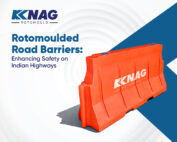
Rotomoulded Road Barriers: Enhancing Safety on Indian Highways
Road safety remains a critical concern across India’s expanding highway network. Rapid urbanisation, rising vehicle ownership and increased freight movement have significantly raised traffic volumes, intensifying exposure to [...]

What is EPP Raw Material? Properties, Uses and Benefits
Expanded Polypropylene raw material has become an important part of modern engineering and packaging solutions because it offers repeatable impact performance, low weight and long service life under [...]
Get in Touch with Us
We look forward to connecting with you!


