
How Innovative Packaging Is Strengthening Defence Logistics
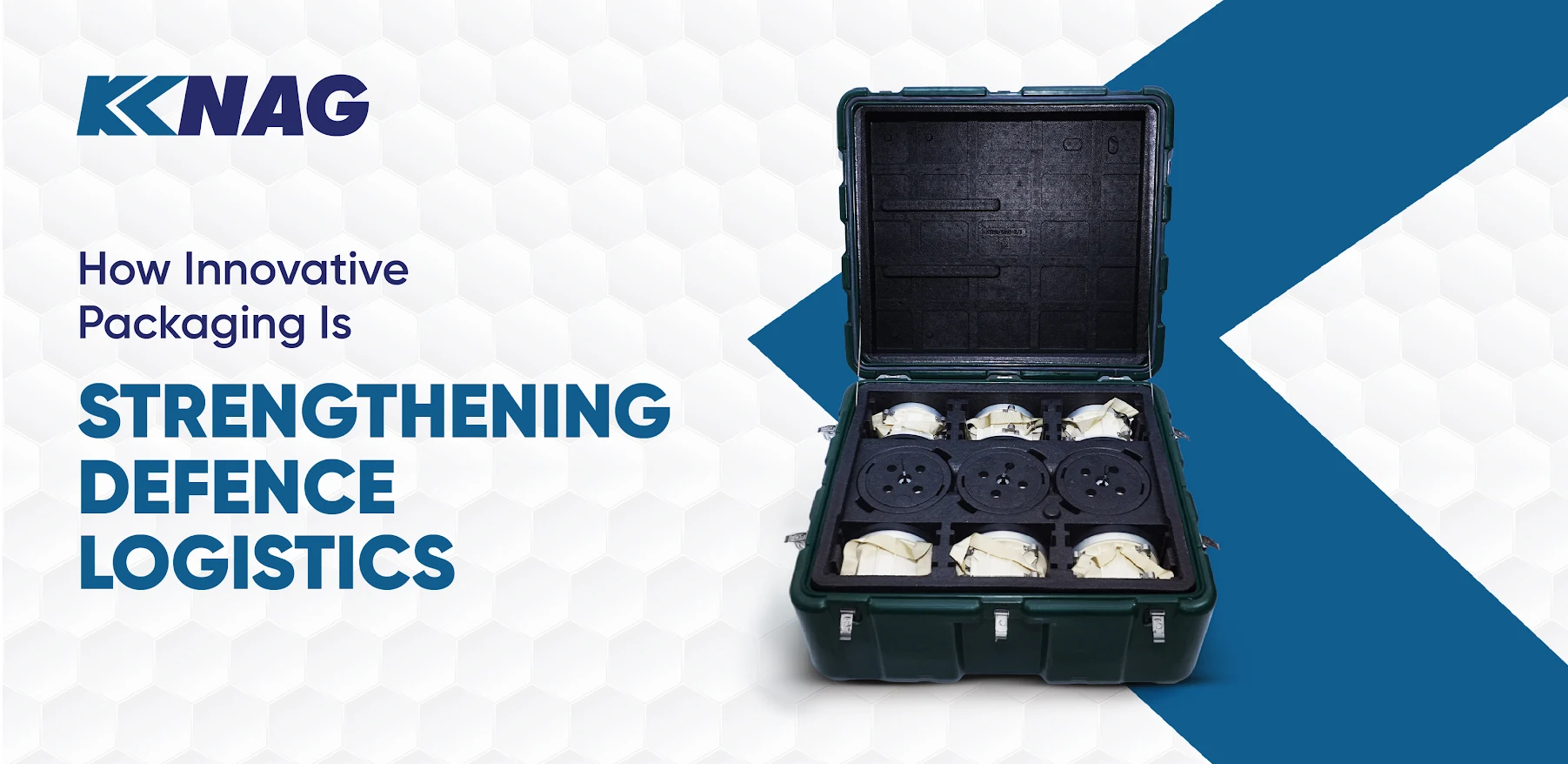
Defence packaging cannot fail quietly. It must protect sensitive equipment, handle rough movement, reduce load weight and stay dependable in difficult environments. This is why polymer-based packaging, including EPP foam and rotomoulded components, is becoming more important across modern Defence supply chains.
Table of Contents
From ammunition containers to drone transit packs, the shift is no longer about replacing metal or wood with plastic. It is about building smarter, lighter and safer systems through polymer-engineered products. Modern military polymer packaging focuses on lower weight, better handling, strong impact performance and reliable use in harsh conditions.
Why Defence Packaging Is Changing
Modern Defence operations need packaging that protects more while carrying less. Lighter materials matter in Defence because they support mobility, rapid deployment and reduced fatigue.
A heavy protective case may look strong but if it slows transport, increases handling effort or adds a logistics burden, it creates new problems. Good Defence packaging must balance strength, weight, repeat use and environmental resistance.
What Polymers Do Better
Polymers allow designers to build packaging around the product instead of forcing the product into a standard box. This makes a big difference for electronics, surveillance units, weapon system parts and field kits.
| Need in Defence Packaging |
How Polymer Materials Help |
|---|---|
| Lower transport weight | Lighter packs reduce handling effort and improve movement. |
| Better shock protection | Custom inserts absorb impact and hold parts securely in place. |
| Weather resistance | Materials like LLDPE and EPP protect against moisture, chemicals and temperature swings. |
| Repeat use | Durable solutions support return logistics and long service life. |
This is where expanded polypropylene foam becomes valuable. It is light, resilient and suitable for repeated use. It can protect delicate components without adding unnecessary bulk. That makes it useful for drone packaging, electronics transit trays and other mission-critical assemblies. When it comes to programmes looking at Indian supply chains, strong capability from EPP foam manufacturers in India can support more localised protection solutions.
In comparison, EPS packaging still has a role where cushioning matters. Many business partners still search for thermocol packaging when they mean EPS based protective inserts. A capable expanded polystyrene manufacturer or thermocol manufacturer can help with shaped cushioning for less complex Defence loads, though reusable systems usually demand tougher formats.
Where Different Polymer Formats Fit
No one material or process solves every Defence packaging need. The right answer depends on load type, handling frequency, route conditions and expected service life.
- Foam systems: Protect fragile items and fill internal voids.
- Rigid moulded systems: Protect larger loads and support stacking.
- Engineered hybrid packs: Combine shells, inserts, lids and handling features.
The expertise required often extends across sectors. An automotive components manufacturer already understands precision moulding and material performance at scale. This knowledge transfers directly into Defence. The same applies to suppliers of drone components; if they understand vibration and weight sensitivity, they understand the packaging problem.
For larger outer protection, rotational moulding products are especially useful. Rotomoulded cases and custom hollow bodies offer strength and long life.
Why Reusability Matters
Defence logistics is not only about safe delivery. It is also about recovery, redeployment and long-term efficiency. That is why reusable industrial packaging deserves more attention. A reusable pack can lower replacement cycles and reduce waste across repeated deployments.
This also connects with sustainability. While not every pack is easily recovered, thermocol recycling remains an important consideration for support packaging used in controlled facilities to ensure material does not end up in landfills.
EPS Solutions For Defence
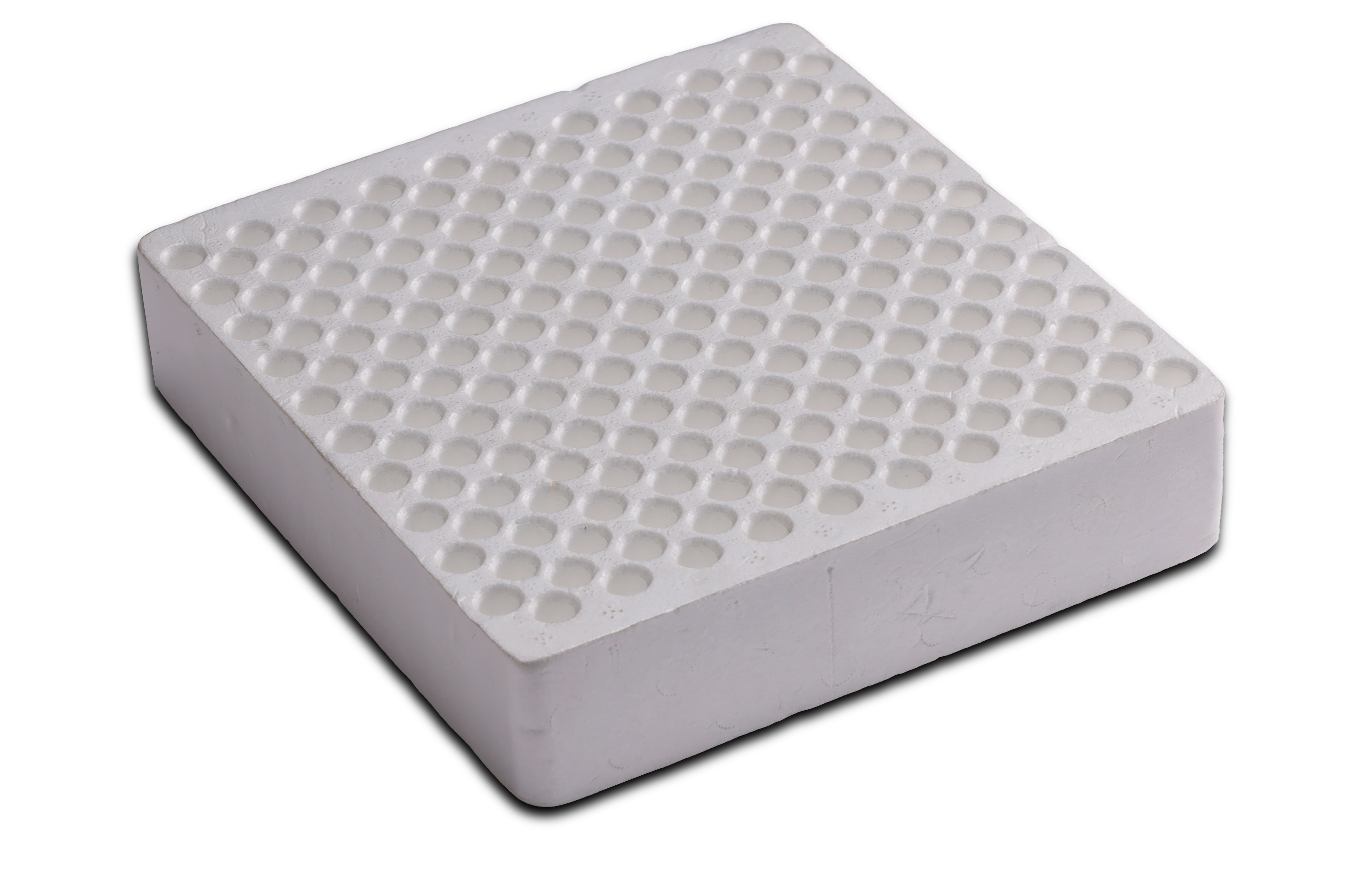
In high-safety applications like explosive handling, Expanded Polystyrene (EPS) is a strategic material when engineered with absolute precision. For components like detonator trays, EPS provides a stable and secure environment that meets international safety standards.
The primary advantages of using EPS in this field include:
- Extreme precision: Can be moulded with micro-pinhole cavities and tight tolerances for robotic alignment.
- Antistatic safety: Engineered with specific properties to prevent accidental discharge in explosive environments.
- Thermal balance: Custom tool designs ensure consistent material fusion for thin-walled, high-accuracy parts.
- Cost-effective cushioning: Provide exceptional shock absorption for sensitive payloads at a lower weight.
EPP Solutions For Defence
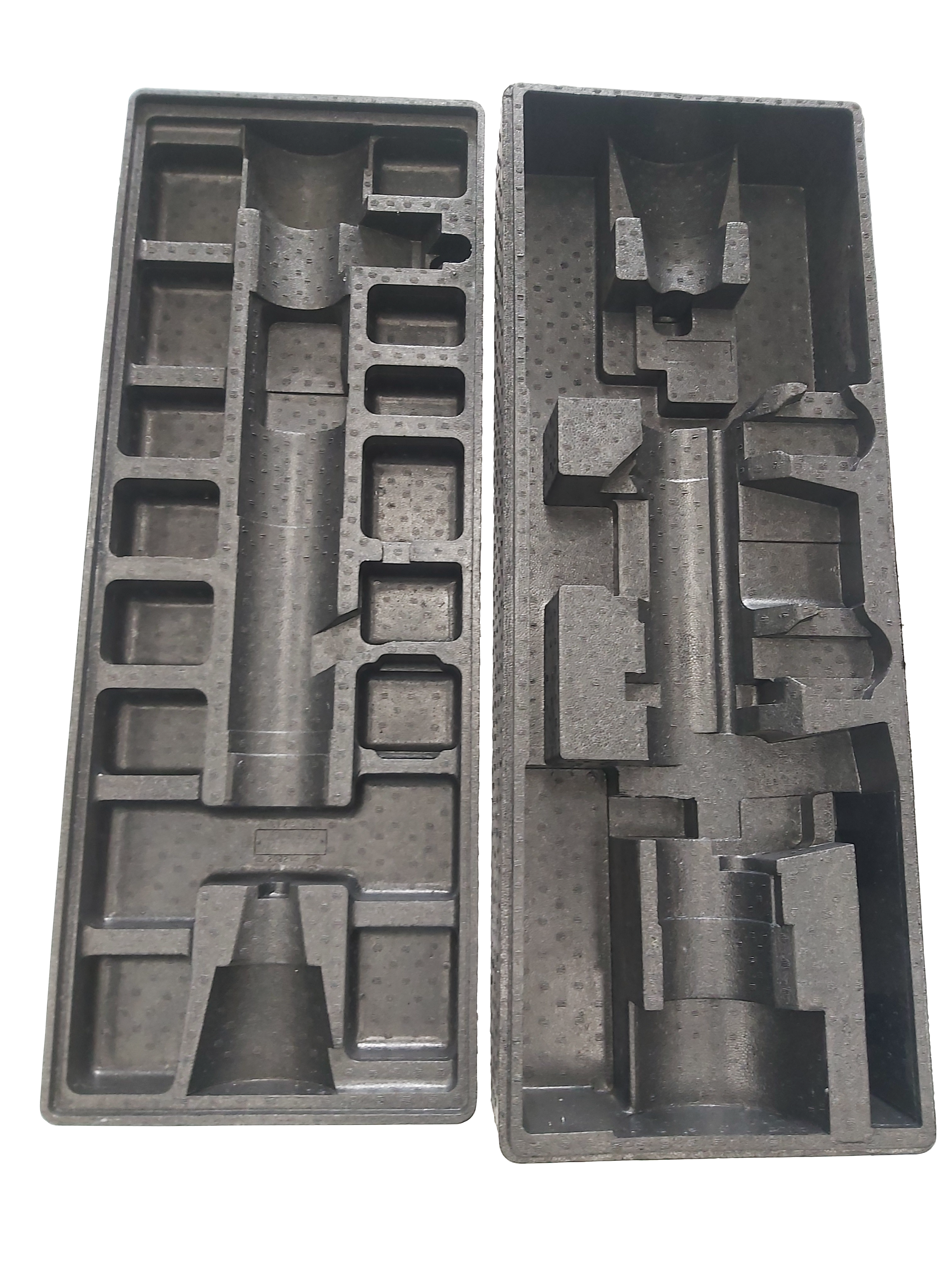
In the Defence sector, where reliability and performance are paramount, EPP’s distinctive properties make it a preferred material. Its versatility allows for a wide array of military applications, ranging from impact-resistant packaging to specialised drone components.
The primary advantages of using EPP in this field include:
- Superior impact protection: Safely houses critical equipment during rough transit through its energy-absorbing closed-cell structure.
- Lightweight and portable: Enhances mobility for field operations and reduces transport energy consumption.
- Specialised customisation: Can be engineered for highly specific requirements, including thermal insulation for electronics and batteries.
- Long-term durability: Stands up to repeated use and maintains mechanical strength across temperature extremes from −20°C to 55°C.
Rotomoulding Solutions For Defence
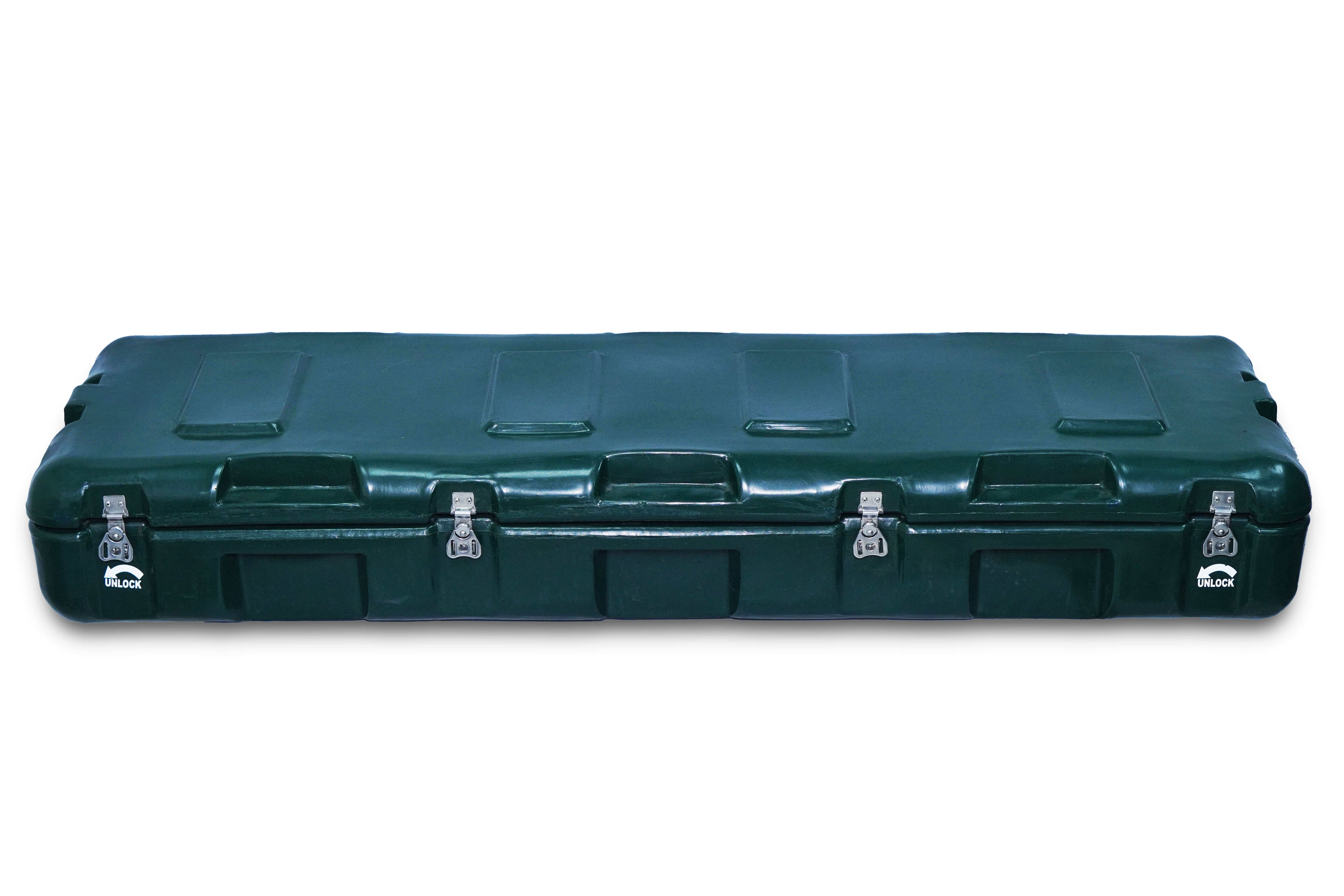
For the most demanding field conditions, Rotomoulding offers a rugged outer shell that protects against environmental and physical stress. This process creates a one-piece, seamless product that is essential for mission-ready protective hard cases.
The primary advantages of using Rotomoulding in this field include:
- Environmental resilience: Provides IP 67 rated protection, ensuring cases are dustproof and waterproof up to 1m depth.
- Toughness and durability: Made from LLDPE to resist cracking, bumps, drops and vibrations during transport.
- Military compliance: Engineered to meet Military STD 810G requirements and DGQA approval for rigorous field use.
- Flexible integration: Functions as a durable exterior shell that can be combined with EPP or EPS inner linings for multi-layer protection.
The Bigger Role Of Engineering
The real transformation is not the polymer alone. It is the engineering behind it. Defence packaging now needs fit, cushioning, strength and environmental resistance in one system. That is where value engineering services become important. Better design can reduce material use and lower total logistics cost without weakening performance.
Conclusion
Polymer materials are transforming Defence packaging because they solve practical field problems. They cut weight, protect better, support repeat use and allow more precise design. When chosen carefully, these customised solutions do more than replace traditional materials; they improve the entire logistics and protection system for critical operations.
At K. K. Nag, we view ourselves as a solutions provider rather than just a manufacturer. We understand that defence requirements demand absolute precision and reliability. Our legacy includes over 30+ years of expertise in EPP, allowing us to create custom-made, high-quality solutions for the most demanding military environments. We remain committed to practical sustainability, having diverted over 1500+ tonnes of material from landfills through our thermocol recycling initiatives, ensuring our work supports both our business partners and the environment.
Whether it is protecting high-sensitivity explosives or developing rugged transit systems for the field, we provide the expertise needed to keep mission-critical equipment ready for action.
Featured Blogs
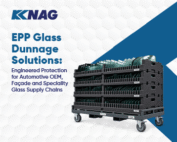
EPP Dunnage Solutions for High-Value Glass
Glass is one of the most demanding materials to transport. Whether it is an automotive windshield with embedded sensors, a large-format façade panel destined for a high-rise, a [...]
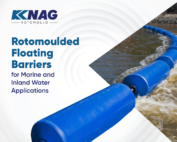
Rotomoulded Floating Barriers for Marine and Inland Water Applications
Floating barriers are used across ports, marinas, reservoirs and industrial facilities to mark restricted zones, separate operational areas and manage floating debris. However, the conditions in these environments [...]
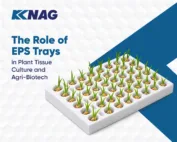
The Role of EPS Trays in Plant Tissue Culture and Agri-Biotech
Plant tissue culture and agri-biotech laboratories across India operate under exacting operational parameters. Micropropagation demands stringent contamination control, precise moisture management and root-zone thermal isolation. Traditional nursery [...]
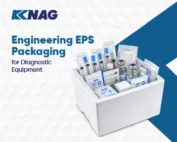
Engineering EPS Packaging for Diagnostic Equipment
When shipping delicate diagnostic equipment or sensitive lab instruments, failure during transit is simply not an option. These devices represent significant financial investments for hospitals, laboratories and diagnostic [...]
Get in Touch with Us
We look forward to connecting with you!


