
 In-house tool design and manufacturing for faster development
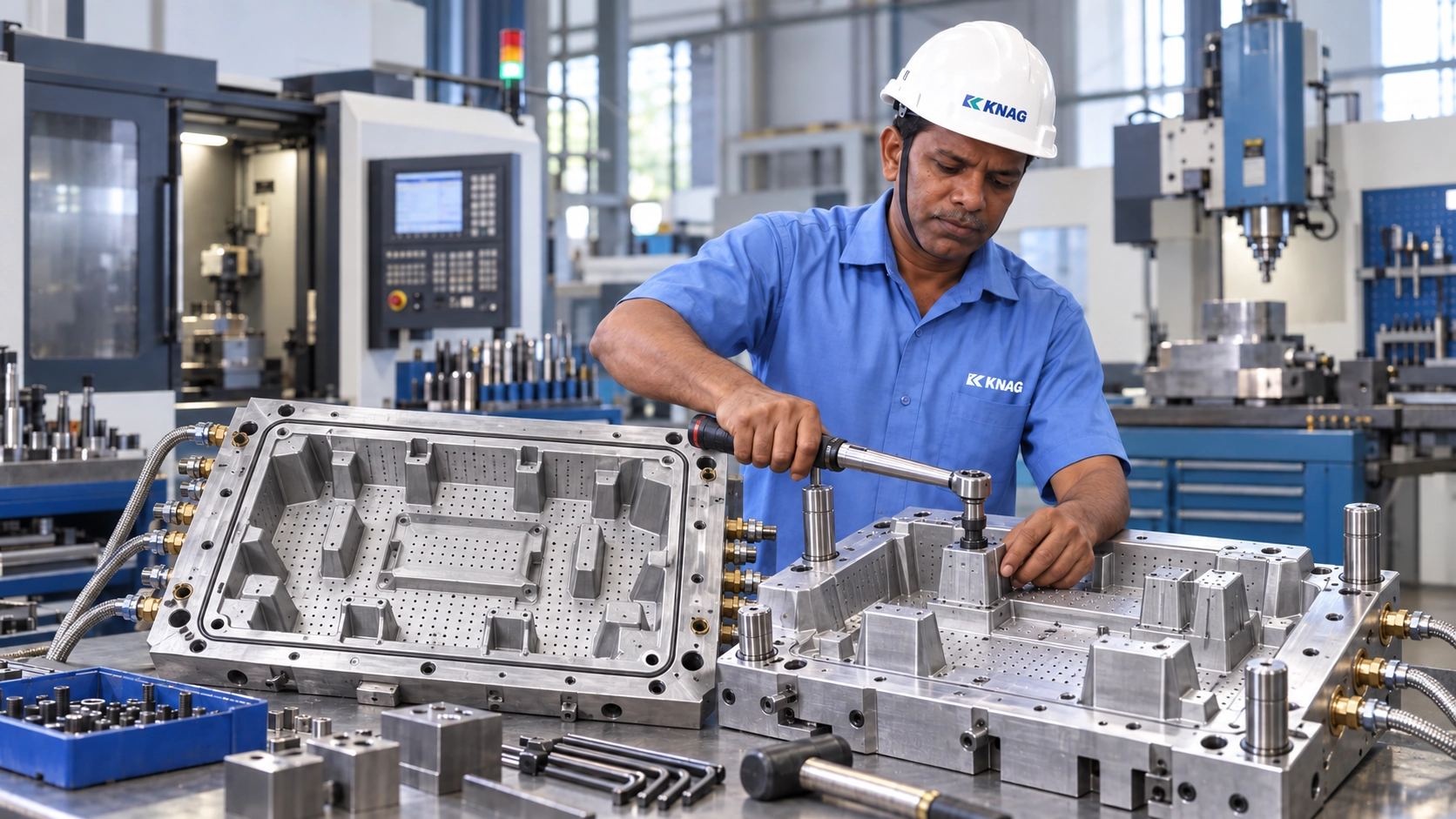
 Multi-cavity moulds and stable series production
 APQP, FMEA, PPAP and end-of-line checks that comply with OEM practices
 K. K. Nag Operational Excellence (KOpEx) or Lean and Green Manufacturing
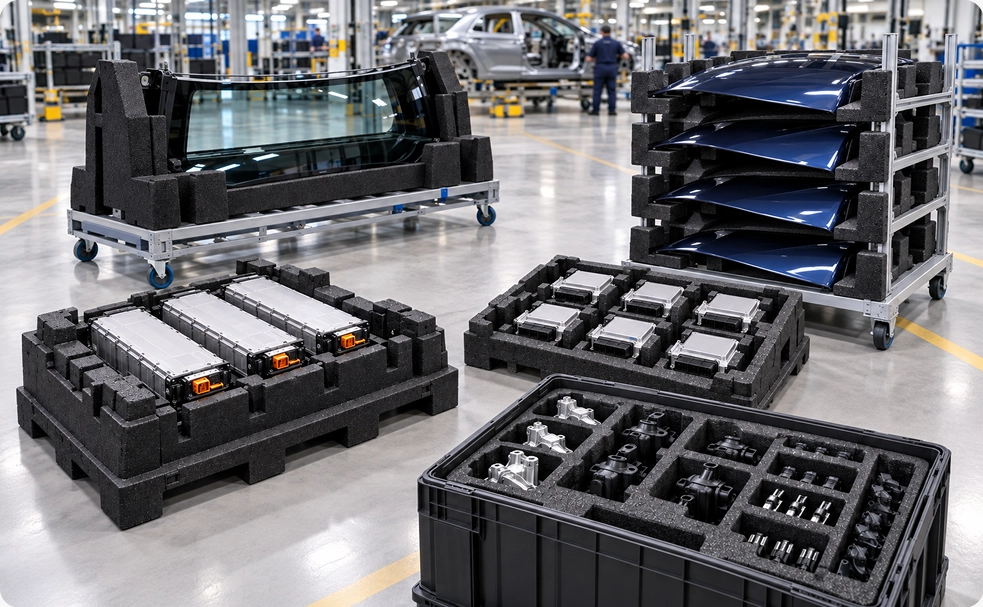
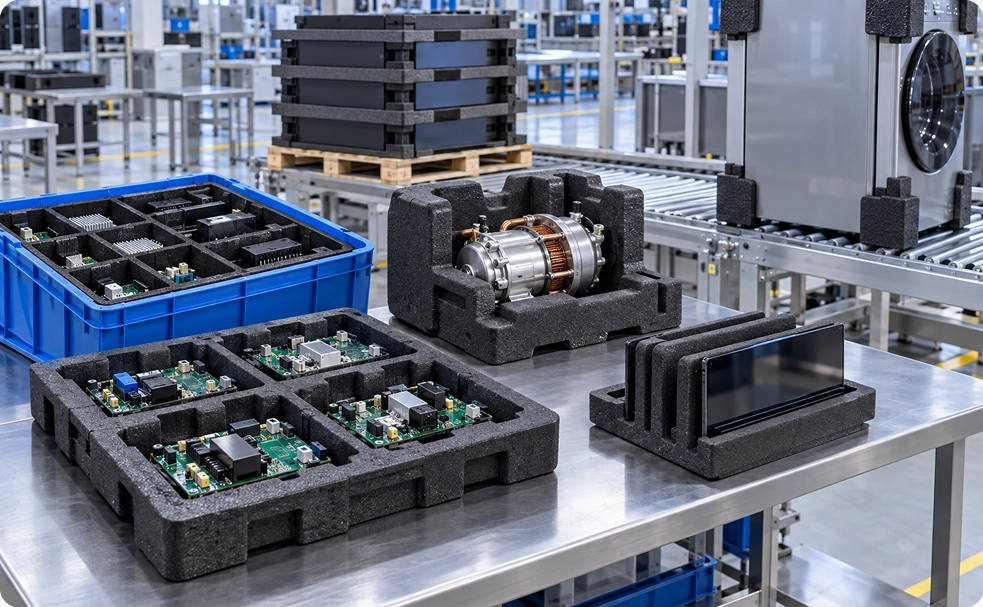
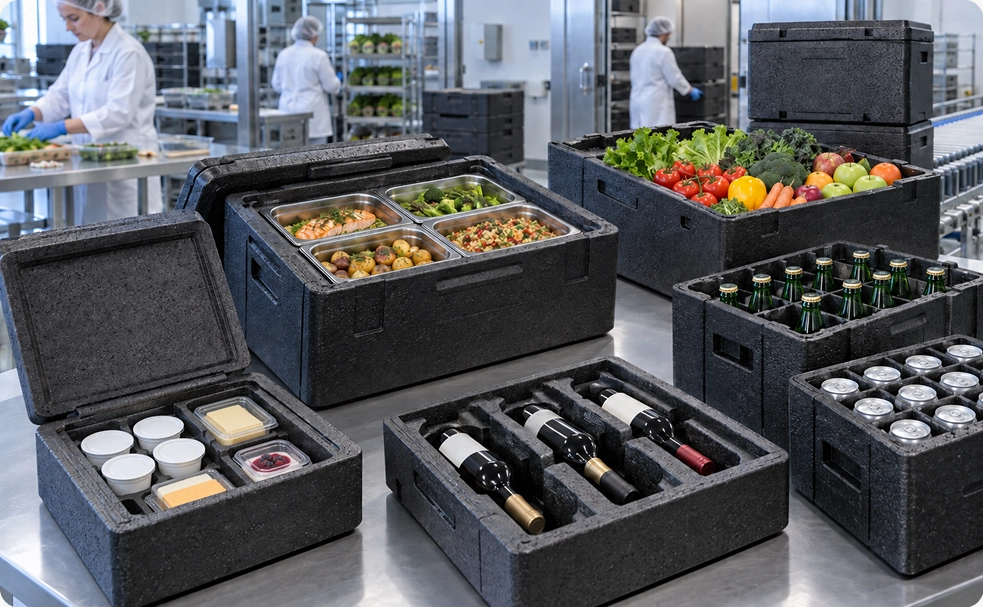
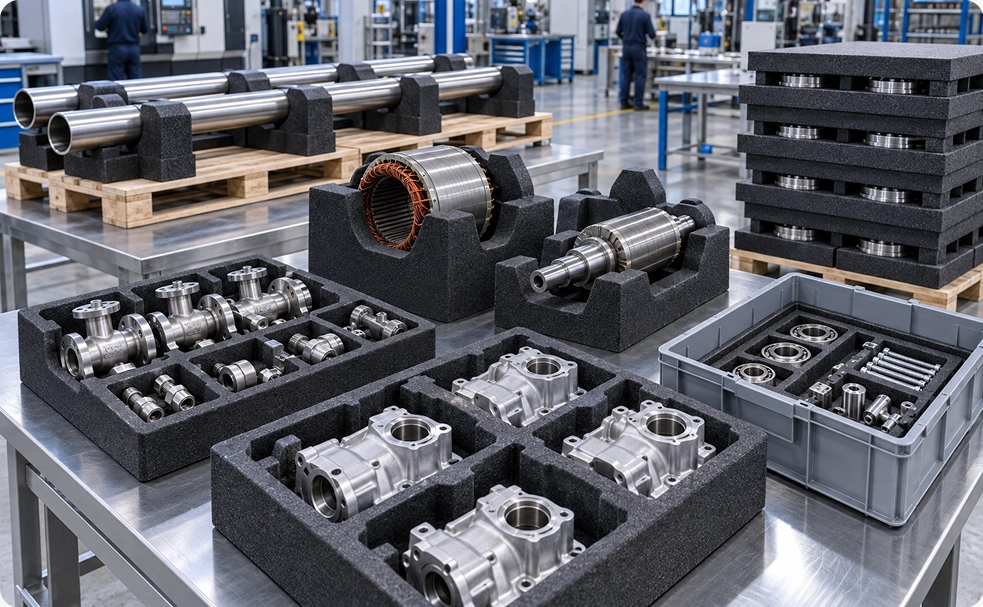
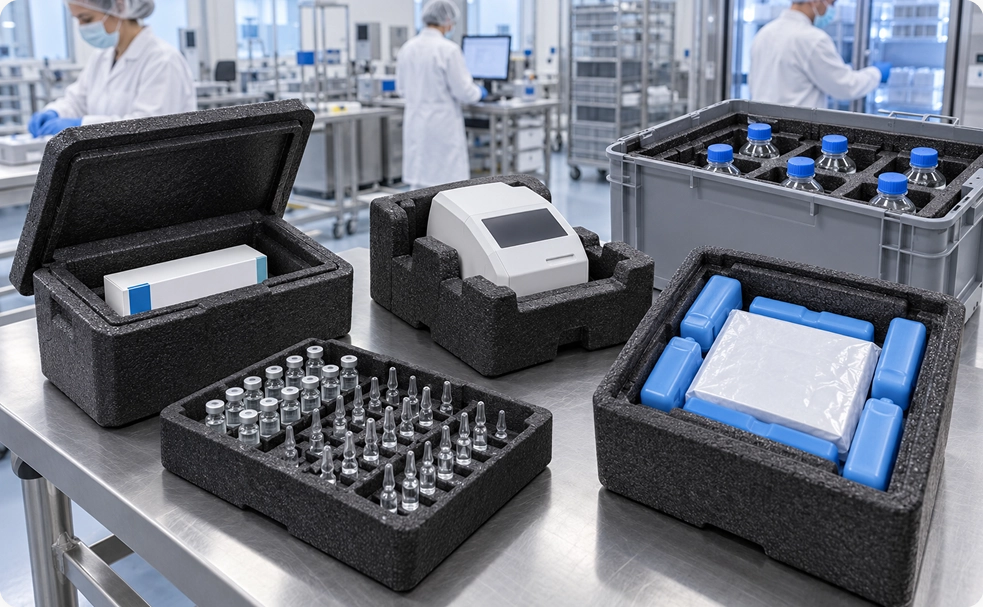
 Wide range of dunnage packaging applications across automotive, electronics, pharmaceutical and other industrial sectors.
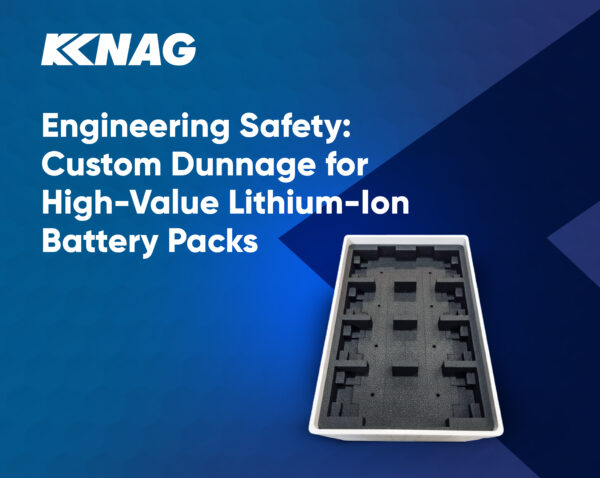
Engineering Safety: Custom Dunnage for High-Value Lithium-Ion Battery Packs
Read MoreHow We Take Dunnage from
Concept to Production
We design, manufacture and validate custom EPP
dunnage for your specific part and handling
requirements.
Hover over a step or tap it to see more
Understanding what you move –
Share the part, its drawings and the route it travels. Weight, fragility, contact surfaces and handling needs guide the design.
Shaping the packing around the part –
Cavity, wall sections, density and nesting are designed together, so protection, return volume and line-side handling are solved in one go.
A working sample before tooling –
Hand-cut and machined samples let you trial the fit on your own line, while changes are still inexpensive.
Tooling designed and built in house –
Our in-house tool room designs and builds the moulds, including multi-cavity tooling, so timelines stay in our control.
Tested against your targets –
Test methods are agreed upon before approval. Drop, stack, vibration and cycle-life tests are conducted.
Consistent, run after run –
Stable series moulding, end-of-line checks and just-in-time despatch, right when your line needs it.
30+ Years of EPP Expertise
K. K. Nag introduced EPP moulding technology to the Indian industry in 1990 and has since applied it to returnable packaging for some of the most demanding parts on the factory floor. Sunroof glass, battery modules, stators, rotors and painted panels all travel in dunnage solutions designed, tooled and moulded in house.
What Sets Our Dunnage Expertise Apart
-
![check-icon]() In-house tool design and manufacturing for faster development
-
![gear-icon]() Multi-cavity moulds and stable series production
-
![moulding-machine-icon]() APQP, FMEA, PPAP and end-of-line checks that comply with OEM practices
-
![moulding-machine-icon]() K. K. Nag Operational Excellence (KOpEx) or Lean and Green Manufacturing
-
![factory-icon]() Wide range of dunnage packaging applications across automotive, electronics, pharmaceutical and other industrial sectors.


























0
+
years of EPP experience

0
+
customers across multiple sectors
What EPP Delivers in Returnable Packaging

Repeat-Cycle Durability
Built to last full production programs with consistent shape and protection.

High Energy Absorption
Absorbs road, rail and handling shocks before they reach the component.

Non-Marking Surface
Soft closed-cell foam prevents scuffing on painted and polished parts.

Moisture Resistant
Closed-cell structure resists container sweating, humidity and washdown cleaning.

Chemically Stable
Withstands oils, solvents and process chemicals without degrading.

Light on the Load
Low density keeps tare weight down, freeing payload capacity on every dispatch.
Why customise EPP Dunnage with K. K. Nag?
We develop tailored packaging solutions that match packing performance to your part, handling route and return loop through controlled density selection, mould design and validation.
Build to Print
Build to Print
Your part drawings are the starting point. We review them for manufacturability and design, build the tool, validate the part and move the EPP packaging solution into series production.
Material Density
Material Density
Bead density is tuned to the mass and fragility of the part, balancing cushioning against nest rigidity and stacking strength.
Shape and Size
Shape and Size
Moulded across a wide size range, from small component nests to full pallet-footprint dunnage trays, with consistent cavity accuracy.
Prototyping and Testing
Prototyping and Testing
Rapid prototypes through hand-cut and machined samples, with soft tooling for trial runs before series tooling is committed.
Performance Specifications
Performance Specifications
Drop, stack, vibration and cycle-life targets are defined with you and validated against agreed test methods.
Industry Applications for EPP Dunnage
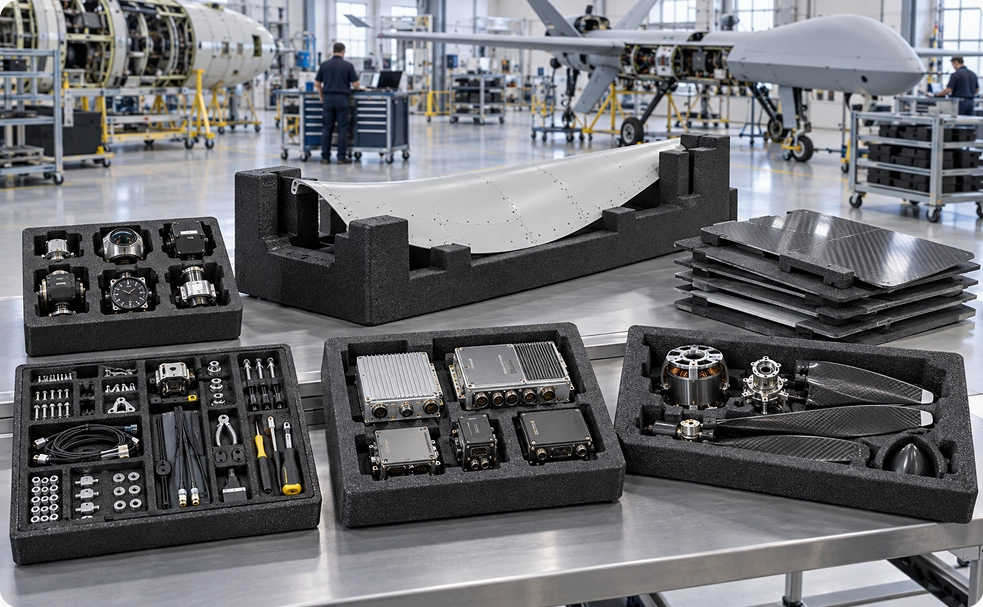
Close-tolerance cavities for gauges, optics and calibrated equipment that withstand movement.
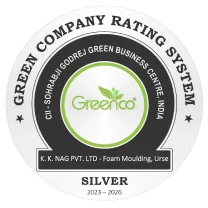
Our Accreditations






Case Studies
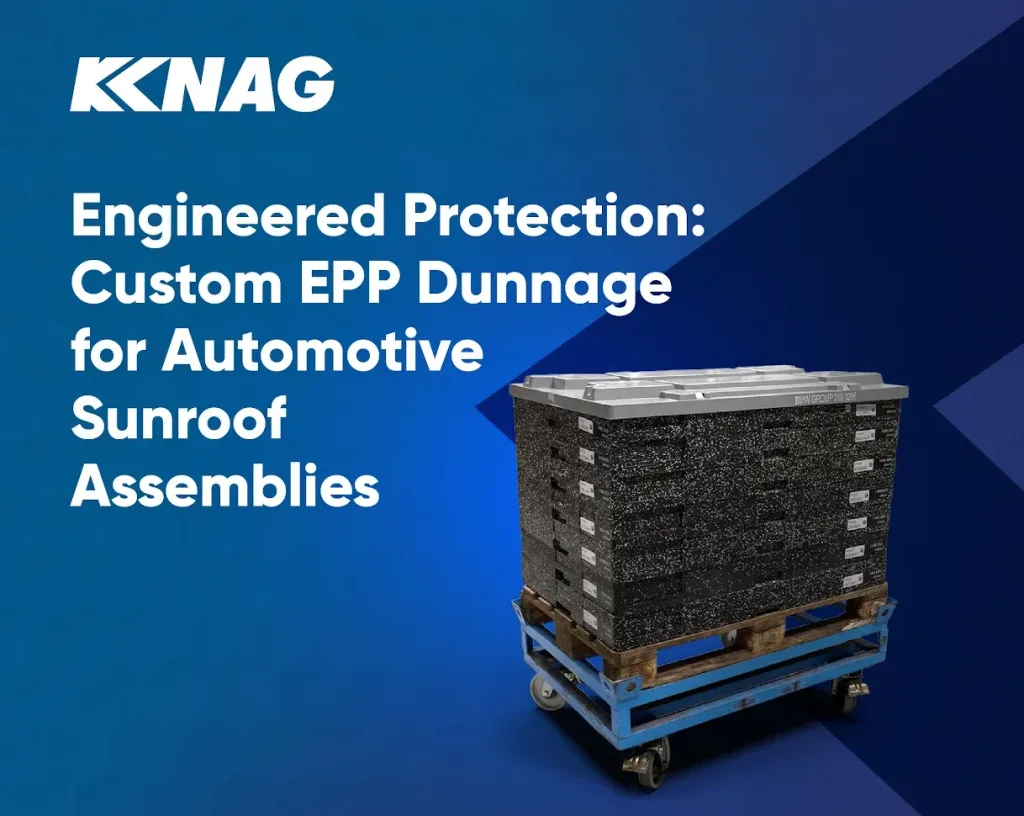
Engineered Protection: Custom EPP Dunnage for Automotive Sunroof Assemblies
Read MoreReady to Design Dunnage around Your Part?
Tell us what you move and how it travels. We will recommend the optimal density, form and target service life to fulfil your operational requirements.
Frequently Asked Questions
EPP dunnage is moulded Expanded Polypropylene packing shaped to hold a specific part. Unlike single-use materials, returnable dunnage is designed to travel the same loop repeatedly, so one set of custom EPP dunnage trays serves the programme rather than a single shipment.
Service life depends on the transport route, payload weight and wash cycle rather than a single fixed number. We establish a target cycle life with your team during the design phase and validate it through physical trials, ensuring the dunnage is specified for your exact supply chain loop.
Yes. The closed-cell structure resists water absorption, so dunnage trays and inserts can be cleaned and dried between cycles. Drainage and drying features are built into the design where the wash process requires them.
Contact areas are moulded to spread load across the largest practical footprint and finished to avoid point pressure. Density is selected so the surface stays soft against the part while the body of the tray holds its shape under stacking.
Yes. Return-leg volume is treated as a design input. Trays can be nested, stacked or split into components so that empty transport occupies a fraction of the loaded volume.
Yes. Soft tooling and machined samples let us supply working prototypes of custom dunnage for line trials before committing to series tooling, which suits new programme launches and pilot builds.
EPP is recyclable through dedicated EPP collection and processing systems. Because the same set of dunnage boxes and trays serves many cycles before it reaches end of life, the material volume entering the waste stream is far lower than with single-use packing.

Collection of EPS waste made possible by the socially responsible residents of Kalyani Nagar, Pune
The residents in Kalyani Nagar have set up a Resource Recycling Centre (RRC) at the civic playground located in the area. At the centre, waste materials are segregated into nine different categories, namely, paper, cardboard, plastic, glass, broken glass, ewaste, metal, tetra pack and thermocole. Citizens can drop off their waste on the weekends and the collected material is handed over to responsible recyclers. When RRC found out about RecyCole, they asked us to become their thermocole waste recycling partner. Over the last three years, we have collected approximately 4.5 tonnes of EPS waste material from this centre.

2 years ago we partnered with a Pune-based OEM for their EPS waste disposal
Golde Automotive India Private Limited, a major automotive OEM that manufactures roof systems, was facing an issue with the disposal of their EPS packaging. This organisation imports glass for their sunroofs from China on a regular basis, which leads to copious amounts of Thermocole waste. Our team was able to successfully identify the company’s predicament and offer immediate support in terms of multiple collections of EPS waste from their plant every week. Over the last 2 years, we have successfully collected and recycled 10 tonnes of EPS waste, contributing significantly to reducing the OEM’s carbon footprint.