
Rotomoulded Septic Tanks and Bio-Toilets for Modern Sanitation
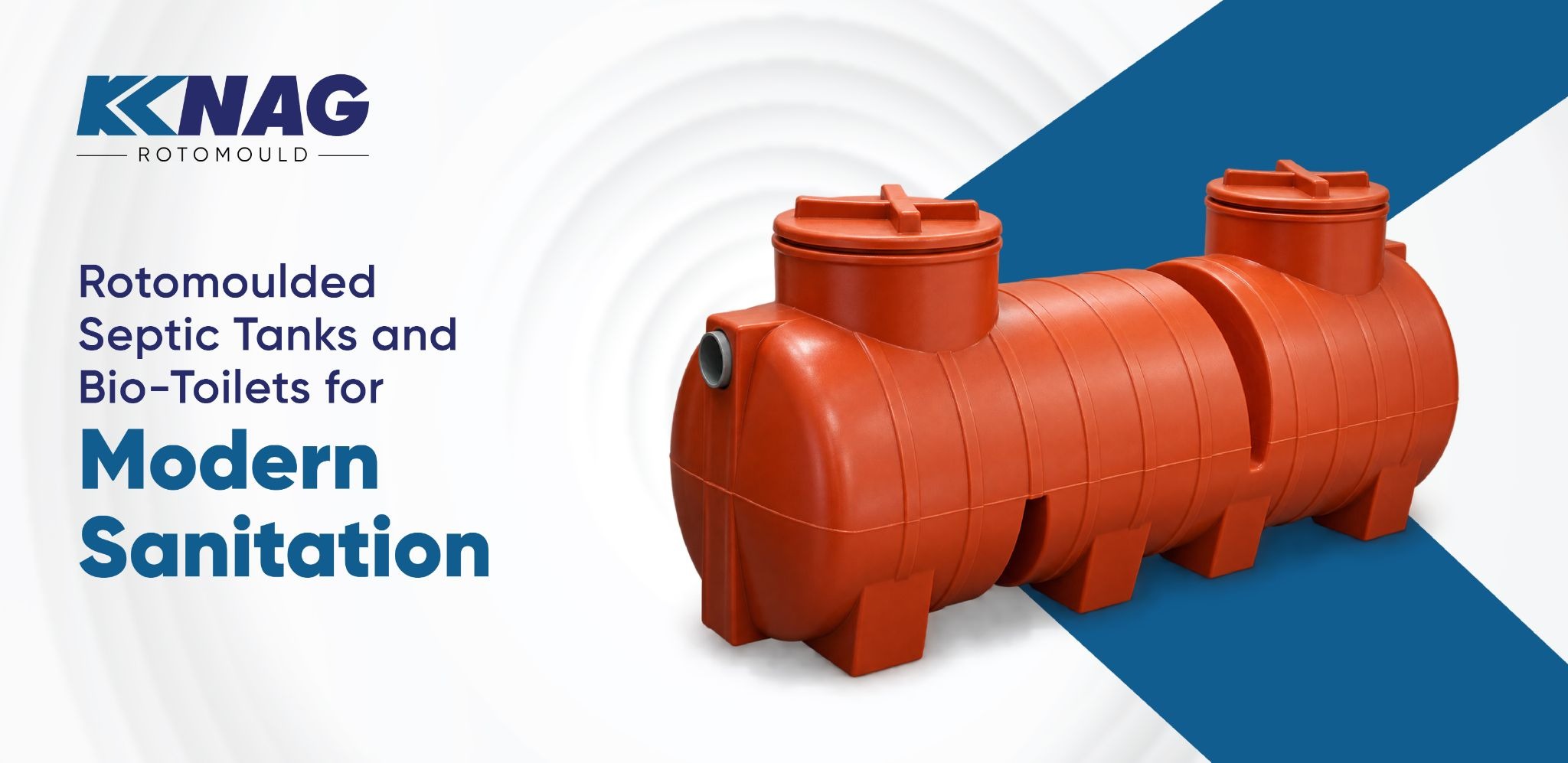
Rotomoulded septic tanks and bio-toilets are seamless, polymer-based sanitation systems engineered through rotational moulding. Used across rural, urban and industrial sites, they replace concrete structures by offering lightweight handling, high corrosion resistance and multi-chambered anaerobic waste digestion for leak-proof, long-term wastewater management.
Developing reliable sanitation infrastructure presents major challenge for urban developments, rural communities and industrial sites. Traditional concrete and brickwork structures often suffer from cracking, seepage, chemical attack or severe corrosion depending on the material, installation conditions and operating environment. To overcome these costly failures, project planners require a leak-proof, low-maintenance alternative capable of enduring harsh soil and effluent exposure. High-density polyethylene (HDPE) polymer solutions-manufactured using advanced rotational moulding-deliver the seamless strength, chemical durability and long-term structural integrity modern wastewater systems demand.
This blog explores how rotomoulded septic tanks and bio-toilets provide a seamless, corrosion-resistant alternative to traditional masonry. We will cover their structural advantages, multi-chambered anaerobic digestion performance, installation benefits and how K. K. Nag Private Limited leverages over 20 years of rotational moulding expertise to deliver custom-engineered sanitation solutions across diverse infrastructure applications.
Table of Contents
- 01. Technical Considerations with Conventional Septic Systems
- 02. The Role of Rotomoulding in Sanitation Manufacturing
- 03. Engineering Aspects of Polymer Septic Tanks
- 04. Bio-Toilet Solutions for Waste Management
- 05. Material Performance Comparison
- 06. Field Applications Across Diverse Sectors
- 07. Customisation and Capacity Capabilities by K. K. Nag
- 08. Supporting Long-Term Infrastructure Sustainability
- 09. Conclusion
Common Challenges with Conventional Septic Systems
A rotomoulded septic tank is a single-piece, stress-free container made from high-grade polymers like polyethylene. Manufactured through rotational moulding, a process where plastic resin is heated and rotated inside a hollow mould, it creates a completely seamless structure without joints, welds or weak points. This results in a lightweight, watertight and durable tank that naturally resists soil pressure and corrosive wastewater chemicals.
Traditional wastewater units built from concrete, brick masonry or welded metal often come with long-term maintenance challenges:
- Structural Cracking and Seepage: Depending on the material, design and installation conditions, rigid concrete structures can experience cracking from ground movement or heavy soil pressure. This leads to effluent leakage into surrounding groundwater, a major issue for sanitation projects, as it can contaminate local water supplies, violate environmental regulations and result in costly site remediation.
- Chemical and Biological Stress: Hydrogen sulphide gas and acidic wastewater generated during anaerobic decomposition can contribute to the deterioration of concrete and metal components over time. The extent of this damage typically depends on the specific material grade, exposure levels and operating conditions.
- Heavy Weight and Complex Installation: Because concrete structures are extremely heavy, they require specialised cranes, heavy machinery and extensive site excavation. This can delay installation timelines, drive up civil labour costs and make setup difficult in remote or restricted locations.
The Role of Rotomoulding in Sanitation Manufacturing
Rotational moulding (Rotomoulding) is a stress-free polymer processing technique suitable for producing hollow, seamless containers. Unlike fabricated or injection-moulded tanks that rely on welded seams or joints, rotomoulding septic tanks allow for single-piece structures with uniform wall thickness.
The process utilises high-density polyethylene (HDPE) or linear low-density polyethylene (LLDPE) resins. These polymers offer inherent resistance to chemical degradation, moisture absorption and environmental stress cracking, making them suitable for subterranean wastewater containment.
Engineering Aspects of Polymer Septic Tanks
Designing an underground polymer septic tank requires careful consideration of mechanical loads, environmental exposures and long-term fluid containment. Because these units are buried underground, the engineering design must account for external soil pressure, groundwater flotation risks, internal hydrostatic fluid forces and corrosive chemical exposure from wastewater decomposition.
Polymer septic tanks engineered via rotational moulding incorporate several key structural and practical characteristics to meet these operational challenges:
- Seamless Monolithic Construction: The absence of mechanical joints or seams in the main body helps reduce the potential for tank leakage or groundwater infiltration. However, overall system leak-tightness also depends on proper fitting seals, pipe connections, correct installation practices and site conditions.
- Corrosion and Chemical Resistance: High-density polyethylene resins naturally resist biological waste, hydrogen sulphide gases, household detergents and common soil chemicals, preventing material degradation over time.
- Manageable Mass and Handling: Polyethylene septic tanks feature a high strength-to-weight ratio, which simplifies transport to remote or constrained regions and significantly reduces on-site handling overheads and heavy equipment needs.
- Structural Stability: Ribbed wall profiles engineered into the mould provide structural rigidity, helping the tank withstand external earth loads when installed underground. It should be noted that long-term underground stability and load performance also depend heavily on proper backfilling, correct installation methods and specific site soil conditions.
Bio-Toilet Solutions for Waste Management
A bio-toilet is a self-contained, eco-friendly sanitation system that treats human waste on-site without needing a continuous water supply or connection to a central sewer grid. It converts solid waste into liquid and gas using biological action. Bio-toilets are widely used in off-grid rural areas, construction sites, disaster relief camps, public parks, highway amenities and remote industrial locations where traditional plumbing or drainage fields are impractical.
Integrating bio-toilet superstructures with rotomoulded digestion chambers provides a durable, leak-proof setup for decentralised sanitation.
- Anaerobic Digestion: Waste enters an underground, rotomoulded multi-chambered digester tank containing specialised anaerobic microbial consortia.
- Organic Decomposition: These bacteria break down organic matter inside the sealed environment, converting it into water, minor amounts of bio-gas and largely non-pathogenic liquid effluent.
- Effluent Handling: The treated liquid effluent passes into an outlet chamber. Depending on the system design, local environmental regulations and the achieved level of treatment, the effluent may be suitable for sub-surface irrigation, soak-pit disposal or further filtration, helping reduce reliance on municipal sewer infrastructure.
Material Performance Comparison
Choosing the right material for underground sanitation tanks is crucial because it directly dictates the system’s structural lifespan, watertight integrity and resistance to harsh soil and chemical environments. Selecting an improper material can lead to costly structural failures, groundwater contamination and frequent maintenance headaches over time. Evaluating structural materials for subterranean sanitation containers highlights distinct operational differences across material categories:
Sanitation Container Material Properties
| Performance Parameter | Traditional Concrete / Masonry | Standard Metal Tanks | Rotomoulded Sanitation Solutions |
| Seamless Construction | Fabricated in sections; can be subject to joint leaks | Welded seams; can be vulnerable to joint wear | Single-piece hollow moulding without mechanical seams |
| Corrosion Resistance | Can be susceptible to micro-cracking and acid erosion | Subject to rust and chemical oxidation | High resistance to sewer gases, acids and alkalis |
| Handling and Transport | Heavy mass requiring specialised lifting equipment | Moderate weight; requires care regarding surface coatings | Lightweight structure allowing manual handling |
| Biological Resilience | Porous surfaces can harbour biological growth | Metal surfaces can react with anaerobic gases | Non-porous polyethylene surfaces resist bio-fouling. However, this holds true only in the case of smaller tanks. |
| Design Adaptability | Typically limited to basic rectangular or cylindrical shapes | Limited custom geometry capabilities | Accommodates complex shapes, ribbed walls and integrated inlets |
Field Applications Across Diverse Sectors
Rotomoulded sanitation containers and bio-digesters support various infrastructure requirements across urban, rural and industrial environments:
Sector-Wise Application Distribution
| Deployment Sector | Typical Installation | Primary Operational Aspect |
| Rural Community Projects | Rotomoulded septic tanks and Bio-Digesters | Helps simplify installation in off-grid sites without heavy machinery |
| Construction and Mining Sites | Portable bio-toilet solutions and Holding Tanks | Provides mobile sanitation units for transient workforces |
| Industrial and Manufacturing Units | High-capacity polymer septic tanks | Offers chemical-resistant wastewater containment for staff amenities |
| Institutions and Campuses | Multi-chambered rotomoulding septic tanks | Supports decentralised sewage handling for schools and hospitals |
| Infrastructure and Highway Plazas | Modular bio-toilet complexes | Offers low-maintenance sanitation options for public transit corridors |
Customisation and Capacity Capabilities by K. K. Nag
Every sanitation project brings unique site constraints, varying soil conditions and distinct volume requirements. Standard off-the-shelf tanks often fall short when project planners need tailored geometries, specific inlet placements or custom load-bearing capacities. Meeting these specialised demands requires a manufacturing partner capable of translating complex custom design requirements into reliable, production-ready products.
With over 20 years of technical experience in rotational moulding, K. K. Nag Private Limited offers custom-engineered polymer solutions for industrial and infrastructure applications.
As septic tank manufacturers, K. K. Nag Private Limited utilises rotational moulding machinery to manufacture seamless tanks with variable wall thicknesses, integrated baffles and structural ribbing. From prototype development to large-scale production, these specialised solutions assist project planners in deploying reliable sanitation infrastructure.
Supporting Long-Term Infrastructure Sustainability
As modern infrastructure developments focus on environmental compliance and resource conservation, selecting durable material technologies is an important step. Rotomoulded septic tanks and bio-toilet systems can contribute to sustainable development by helping manage subterranean pollution risks, may help reduce maintenance needs and supporting decentralised wastewater treatment.
Evaluating site-specific soil conditions, flow capacities and environmental parameters enables infrastructure engineers to select appropriate polymer containment systems, supporting public health and site hygiene.
Conclusion
Transitioning to polymer-based sanitation systems allows project planners and civil contractors to bypass the maintenance and installation drawbacks of conventional masonry. Partnering with an experienced rotational moulding specialist like K. K. Nag Private Limited ensures access to custom-engineered, site-specific designs backed by end-to-end manufacturing support.
FAQs
Q1: What is a rotomoulded septic tank?
Ans: A rotomoulded septic tank is a single-piece subterranean container made from polyethylene. Unlike concrete units, it is manufactured without joints to reduce leakage risks.
Q2: How do rotomoulded plastic septic tanks compare to traditional concrete tanks?
Ans: Plastic tanks are much lighter than concrete, simplifying transport and installation. They also offer inherent resistance to rust, sewer gases and soil chemicals.
Q3: How does a bio-toilet work with a rotomoulded digester tank?
Ans: Waste enters a multi-chambered tank where anaerobic bacteria break down organic matter into water and effluent, which can be safely discharged into soak pits.
Q4: Can rotomoulded septic tanks withstand heavy soil pressure when buried underground?
Ans: Yes, these tanks are engineered with structural ribbing and reinforced wall profiles to provide the rigidity needed to handle subterranean earth loads. Performance depends on design, soil, groundwater and installation conditions.
Q5: Where are rotomoulded septic tanks and bio-toilets typically used?
Ans: They are used across rural housing projects, construction and mining sites, industrial facilities, educational campuses and highway public plazas.

Featured Blogs
Rotomoulded Septic Tanks and Bio-Toilets for Modern Sanitation
Rotomoulded septic tanks and bio-toilets are seamless, polymer-based sanitation systems engineered through rotational moulding. Used across rural, urban and industrial sites, they replace concrete structures by offering lightweight [...]

How EPP Improves Automotive Acoustics and NVH Performance
Summary: EPP automotive components help manage automotive NVH by reducing vibration transfer, controlling panel resonance, filling cavities and preventing buzz, squeak and rattle. As a lightweight material, EPP [...]
How to Calculate Savings from Switching to Reusable Polymer Solutions
Many businesses compare a disposable box with reusable packaging by looking only at the price of one unit. A corrugated box may appear cheaper than an EPP container [...]
How K. K. Nag Builds Circularity into Polymer Manufacturing
The way manufacturers evaluate polymer products is changing. The question is no longer limited to whether a material can be recycled. Businesses are also considering how long [...]
Get in Touch with Us
We look forward to connecting with you!


